- **
2003 Kia Optima Overview
Summary
The 2003 Kia Optima stands out as a mid-size sedan known for its robust performance and economical fuel efficiency. Offering a comfortable ride and modern features for its time, it appeals to families and individuals seeking reliability without breaking the bank.
History
Introduced in 2000 as a successor to the Hyundai Optima, the 2003 model year continued Kia's trend of providing competitively priced vehicles with enhanced technological features. This iteration marked a significant step in Kia’s strategy to compete in the mid-size sedan segment with improved safety features and upgraded interior designs, aligning closely with evolving consumer demands for safety and comfort.
Car Culture
The 2003 Kia Optima has become a staple in various communities, appreciated for its affordability and durability. Enthusiasts often customize their Optimas with aftermarket parts, enhancing performance and aesthetics. This vehicle has fostered a niche culture among budget-conscious drivers who prioritize reliability over premium brand names, particularly evident in college towns and suburban areas where practicality is highly valued.
Trims and Specifications
Specifications
| Body Style |
Sedan |
| Horsepower |
160 hp |
| Transmission |
Automatic (4-Speed) |
| Trim Levels Available |
LX, EX, RX |
| Engine Type & Size |
V6, 2.5L |
| Horsepower & Torque |
160 hp / 174 lb-ft |
| Drivetrain |
FWD |
| Fuel Type |
Gasoline |
| Fuel Tank Size |
18 Gallons |
| Fuel Efficiency |
25 MPG City / 34 MPG Highway |
| Dimensions |
Length: 183 inches, Width: 72 inches, Height: 54 inches |
| Cargo Capacity |
13.6 cubic feet (trim dependent) |
| Towing Capacity |
1500 lbs |
| Safety Ratings |
NHTSA: 4/5 Stars (2003) |
| Key Features |
Power Windows, Power Locks, Air Conditioning, AM/FM Stereo |
| Passenger Capacity |
5 |
Notable Changes from Previous Year
Compared to its predecessor, the 2003 Kia Optima saw enhancements in interior refinement with improved trim levels and additional safety features such as the Electronic Stability Control (ESC). Additionally, minor design tweaks were implemented to align more closely with contemporary aesthetic trends while maintaining its robust performance characteristics.


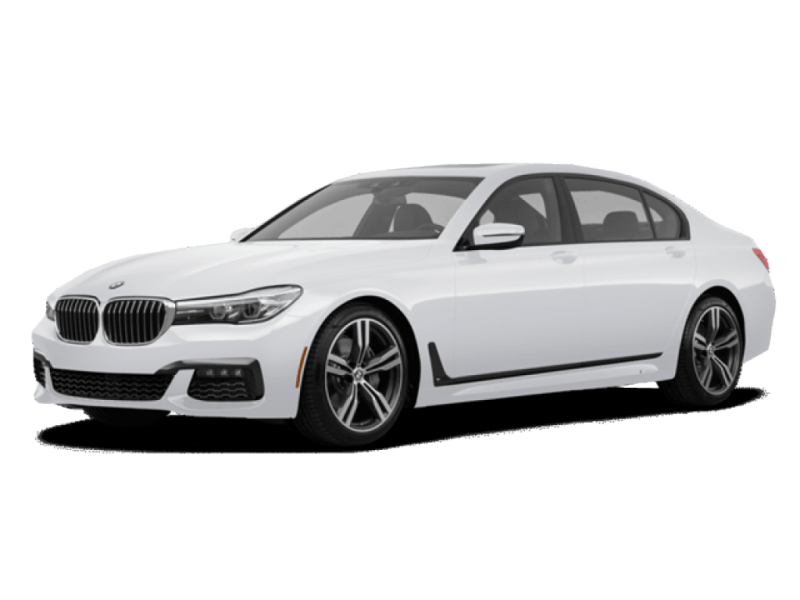 Luxury
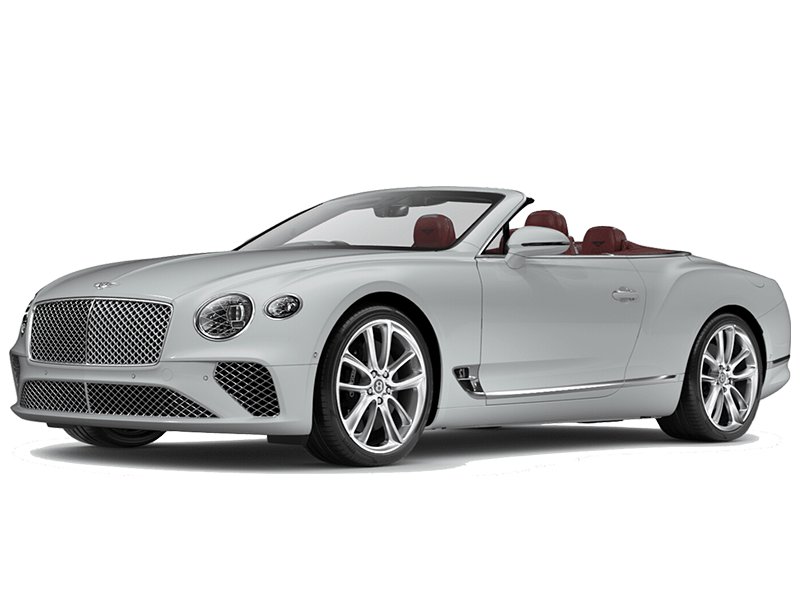 Prestige
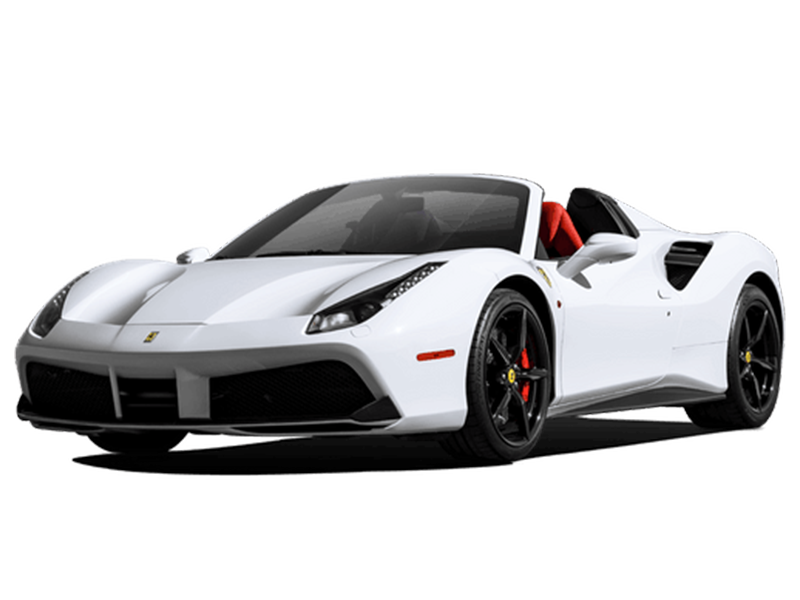 Exotic
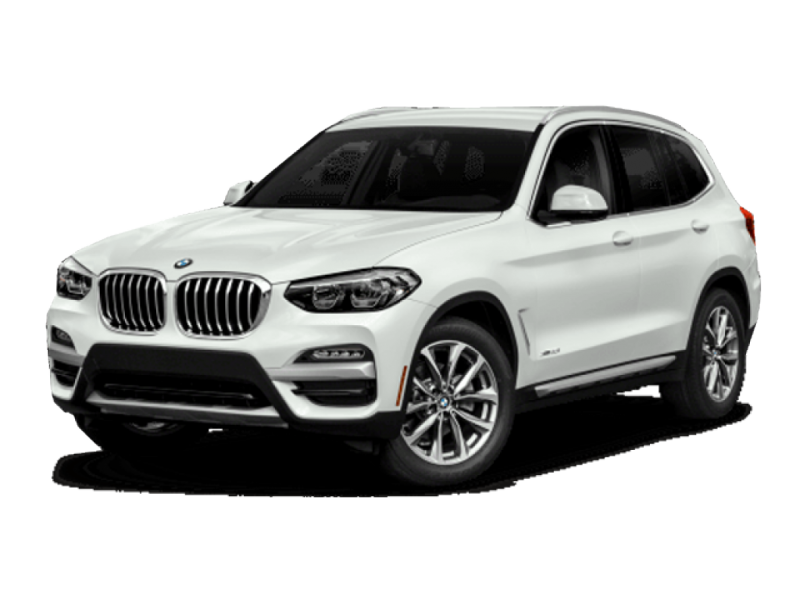 SUV
SUV Hybrid
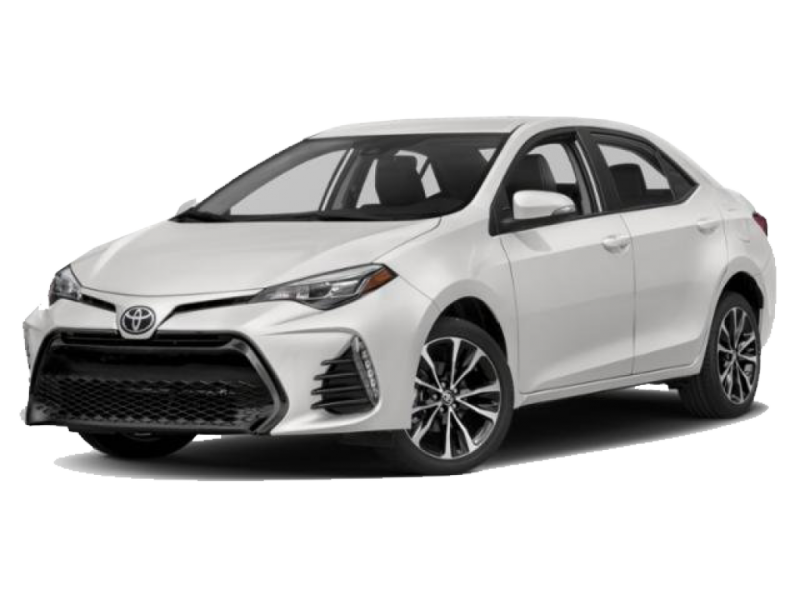 Standard
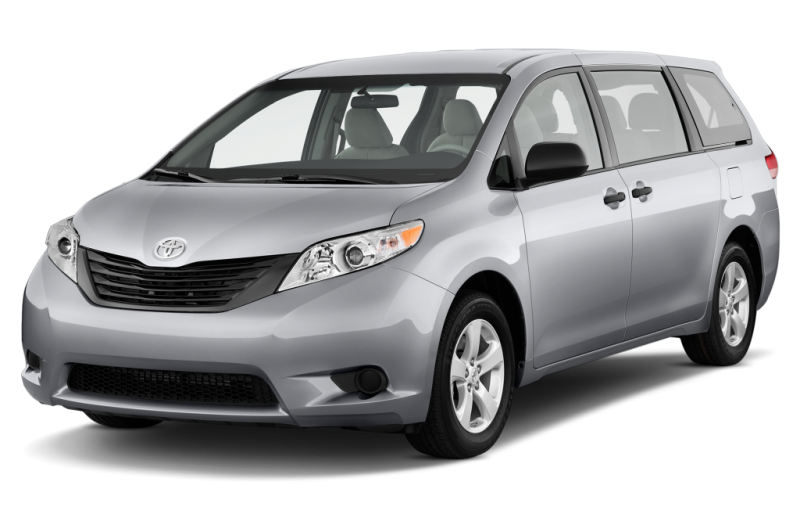 VAN
VAN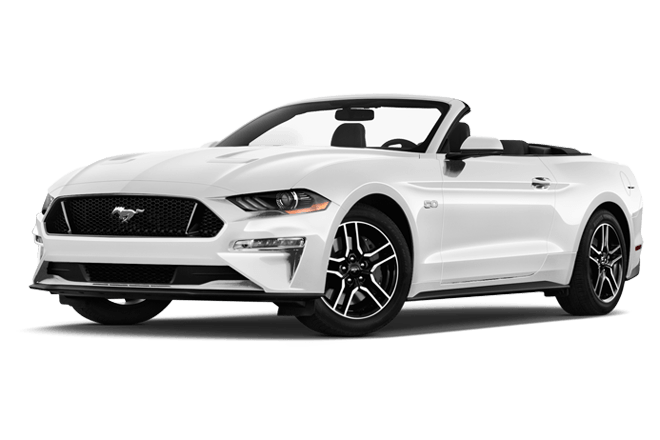 Convertible