

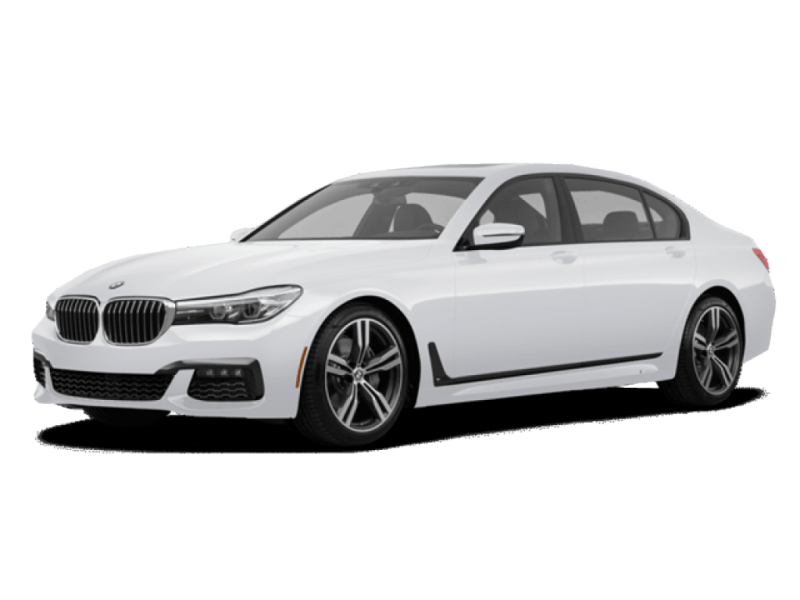
 Luxury
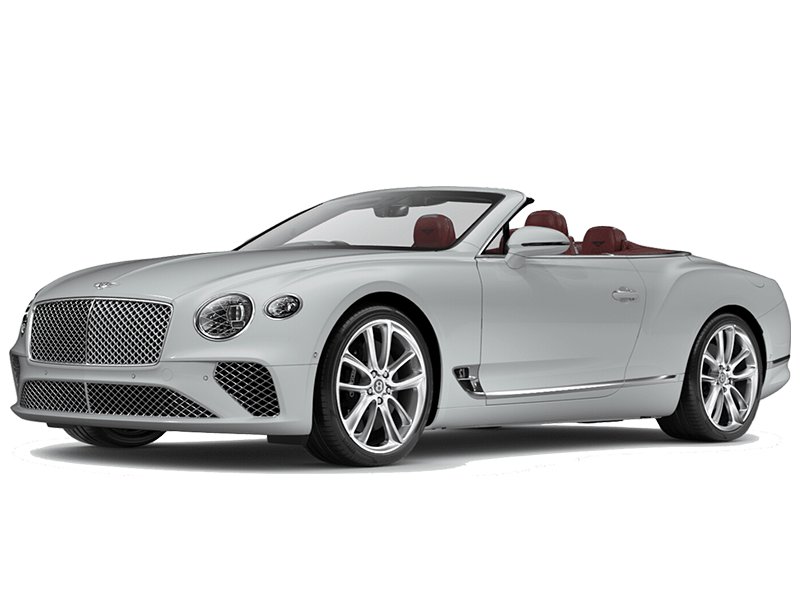 Prestige
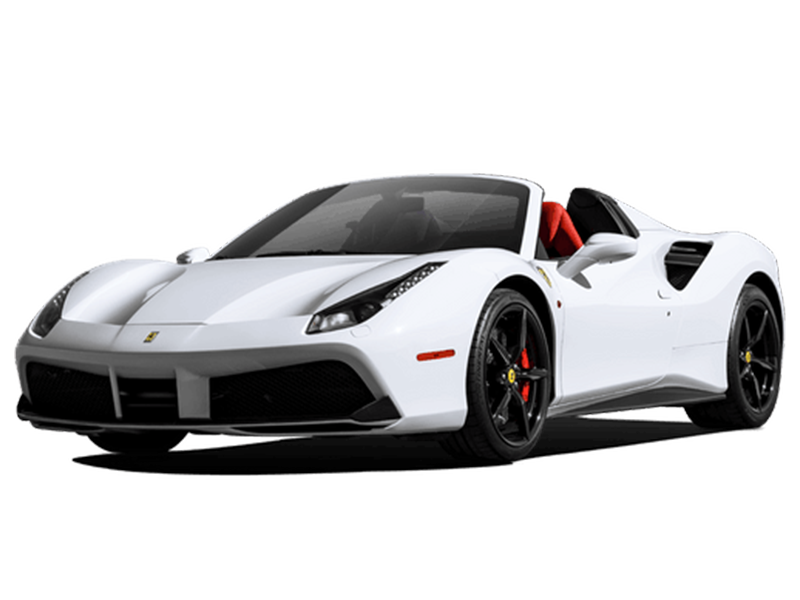 Exotic
 SUV
SUV Hybrid
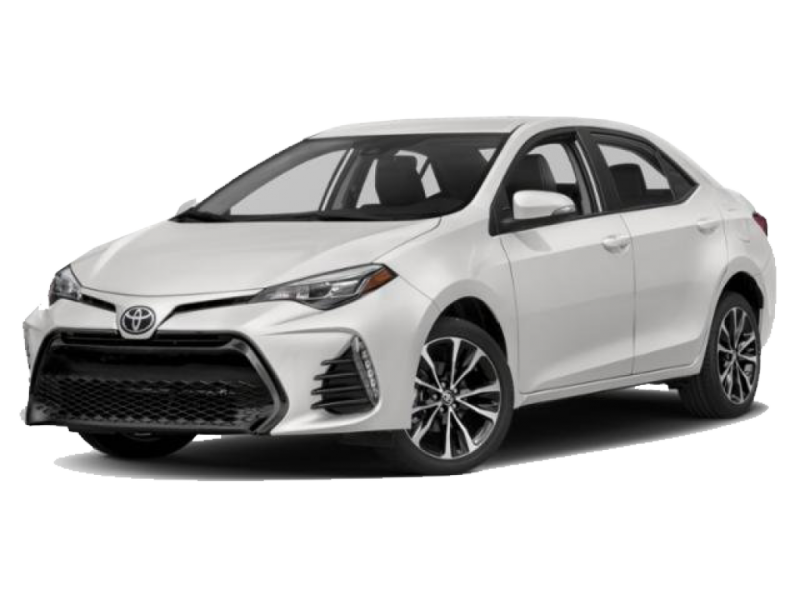 Standard
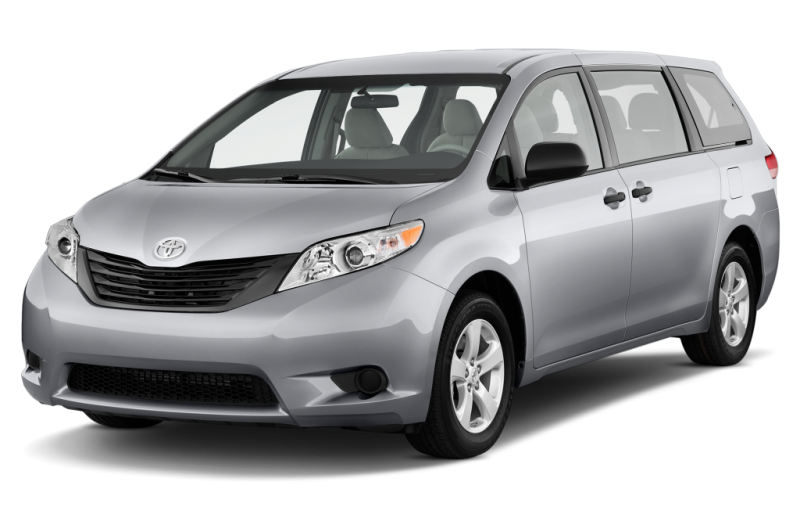 VAN
VAN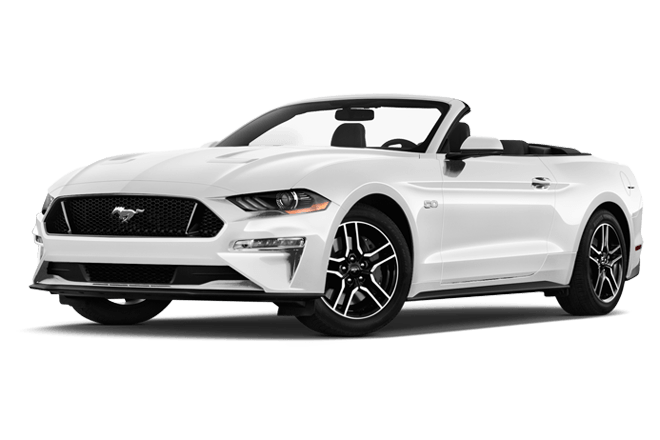 Convertible
- **
2003 Hyundai Tucson Overview
Summary
The 2003 Hyundai Tucson stands as a versatile SUV known for its reliable performance and robust design, offering consumers a blend of comfort and practicality that made it a popular choice among families and individuals alike.
History
Introduced in 2000 as a replacement for the Hyundai Sante Fe, the first generation Tucson was designed to compete in the compact SUV segment. By 2003, Hyundai had refined the model, incorporating enhanced safety features and improved fuel efficiency, solidifying its position as a reliable and efficient vehicle on the market.
Car Culture
Within car culture, the 2003 Hyundai Tucson gained recognition for its fuel efficiency and dependable performance, appealing to those seeking value without compromising on features like ample cargo space and comfortable seating for five passengers. Its presence in various communities highlighted Hyundai's commitment to producing reliable, budget-friendly vehicles.
Model Variations
- LX Trim: Base model featuring essential amenities and a comfortable ride.
- SV Trim: Styled for performance with enhanced exterior accents and sportier handling.
- EX Trim: Mid-range option with advanced features including sunroof and leather seating.
Technical Specifications
Body Style
- SUV
Engine and Performance
- Engine Type: 4-cylinder
- Engine Size: 2.3L
- Horsepower & Torque:
- LX: 145 hp / 145 lb-ft
- SV: 175 hp / 150 lb-ft
- EX: 175 hp / 150 lb-ft
Transmission and Drivetrain
- Transmission: Automatic
- Drivetrain: Front-Wheel Drive (FWD)
Fuel and Dimensions
- Fuel Type: Gasoline
- Fuel Tank Size: 15.2 gallons
- MPG: 22 city / 29 highway
- Dimensions:
- Length: 170.9 inches
- Width: 71.1 inches
- Height: 65.1 inches
Practical Features
- Cargo Capacity: 32.2 cu ft
- Towing Capacity: 1700 lbs
- Safety Ratings: 4 out of 5 stars
- Key Features: Sunroof (EX trim), Heated Seats (EX trim), Chrome Accents (SV trim)
- Passenger Capacity: 5