

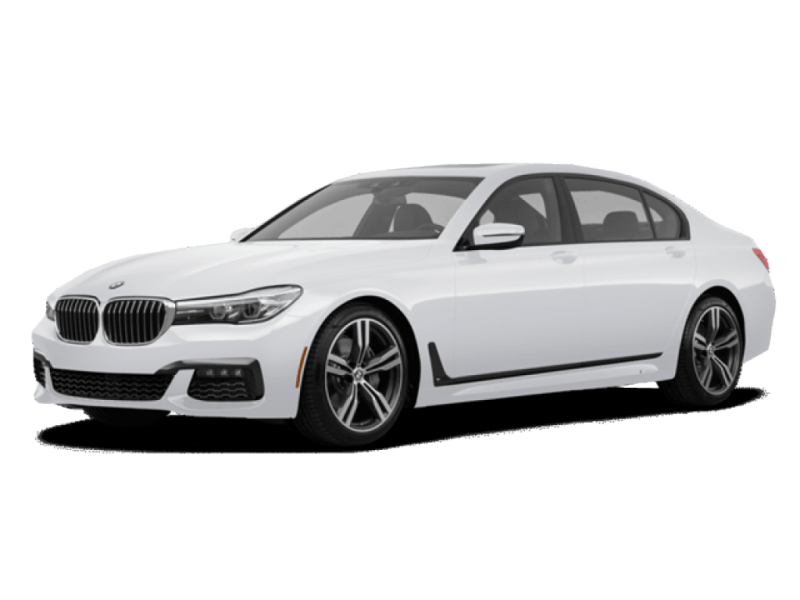
 Luxury
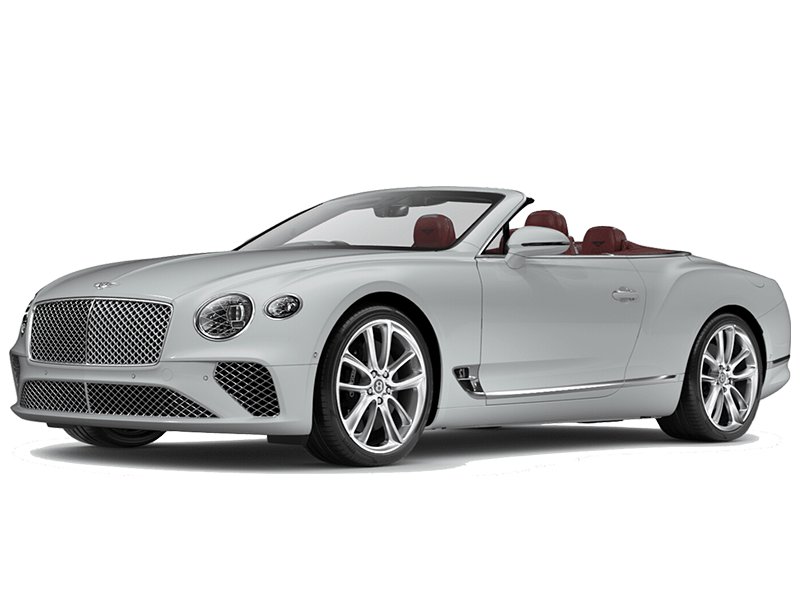 Prestige
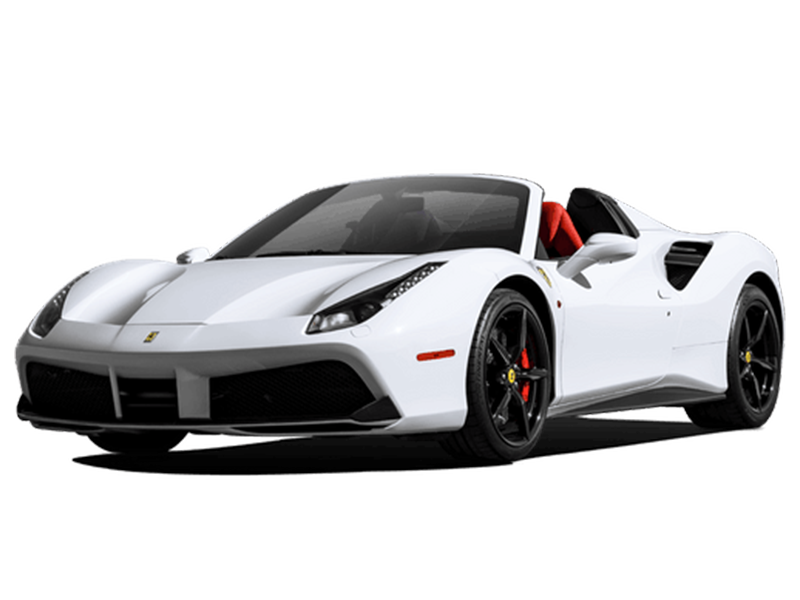 Exotic
 SUV
SUV Hybrid
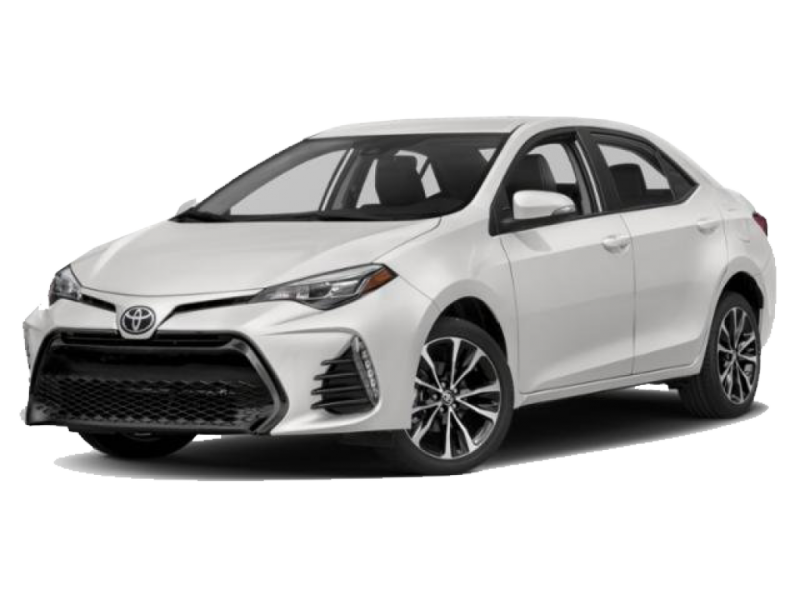 Standard
 VAN
VAN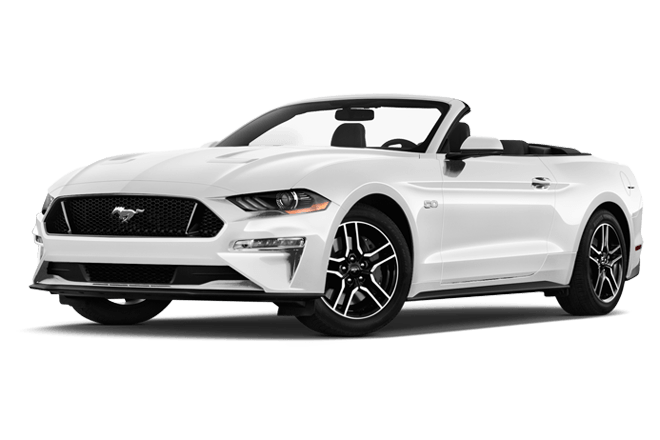 Convertible
- **
2000 Maserati MC20: A Legacy of Performance
Summary
The 2000 Maserati MC20 epitomizes high-performance luxury with its sleek, aerodynamic design and powerful V8 engine, setting new standards in Italian automotive engineering. Known for its exceptional speed and handling, this model continues to captivate enthusiasts and collectors alike.History
Introduced in 2000, the Maserati MC20 marked a significant evolution from its predecessor, the MC25, focusing on enhanced aerodynamics and reduced drag coefficients. This iteration aimed to push the boundaries of sports car performance while maintaining a luxurious cabin experience, cementing its place as a visionary model in Maserati’s lineup.Car Culture Around the Vehicle
The 2000 Maserati MC20 has fostered a vibrant community of car enthusiasts centered around its blend of Italian craftsmanship and cutting-edge technology. Enthusiasts participate in track days, car shows, and exclusive events celebrating the vehicle’s heritage and ongoing legacy in high-performance sports cars.Technical Specifications
- Body Style: Coupe
- Horsepower: 500 hp
- Transmission: 6-Speed Manual
- Trims Available: Coupe, V8
- Engine Type & Size: V8, 4.7L
- Horsepower & Torque: 500 hp, Torque Information Not Specified
- Drivetrain: RWD
- Fuel Type: Gasoline
- Fuel Tank Size: Approximately 65 liters
- MPG: Performance-oriented, specific figures not provided
- Dimensions: Length - 4650 mm, Width - 1900 mm, Height - 1270 mm
- Cargo Capacity: Approximately 250 liters
- Towing Capacity: Not Specified
- Safety Ratings: Not Explicitly Rated in Initial Release
- Key Features: Reduced Drag Design, Advanced Aerodynamics, Luxurious Interior
- Passenger Capacity: 2